









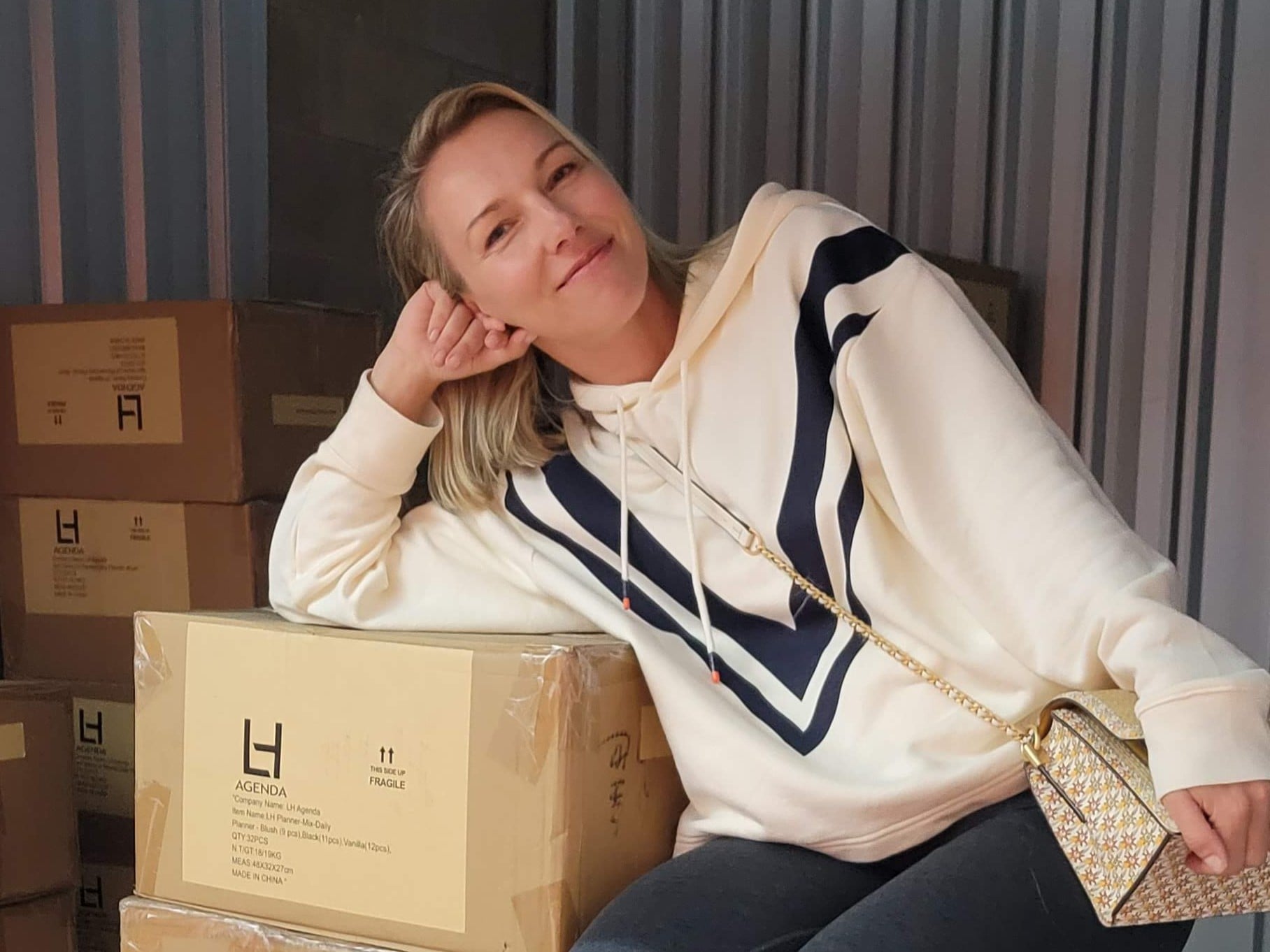
Hi, it’s Kasia. If we haven’t met yet, I’m the founder and Creative Director of LH Agenda & Co, and I still find it strange to write that sentence, because in my head I’m still the accountant who bought a domain name on a whim in 2010.
This year we turn 15. Five years ago, to mark our tenth birthday, I sat down and wrote a three-part series answering the questions you’d asked me over the years, about starting the business, hiring, breakthroughs, rebranding and building a following. If you haven’t read them, or if it’s been a while, you can find them here: Part 1, Part 2 and Part 3, on rebranding.
Discover our 2025 Collection
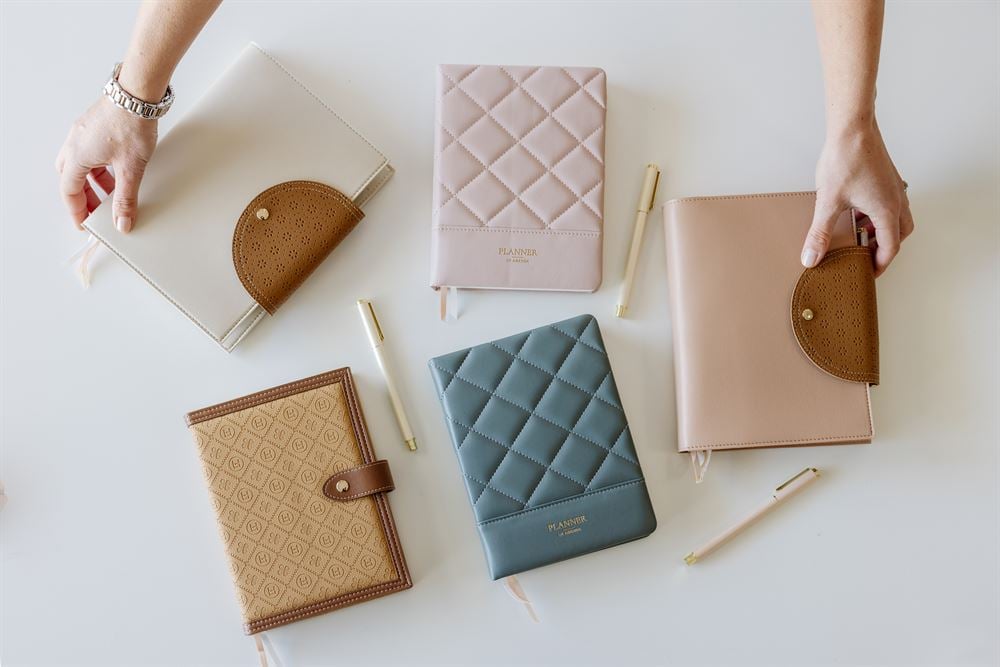

A lot has happened since.
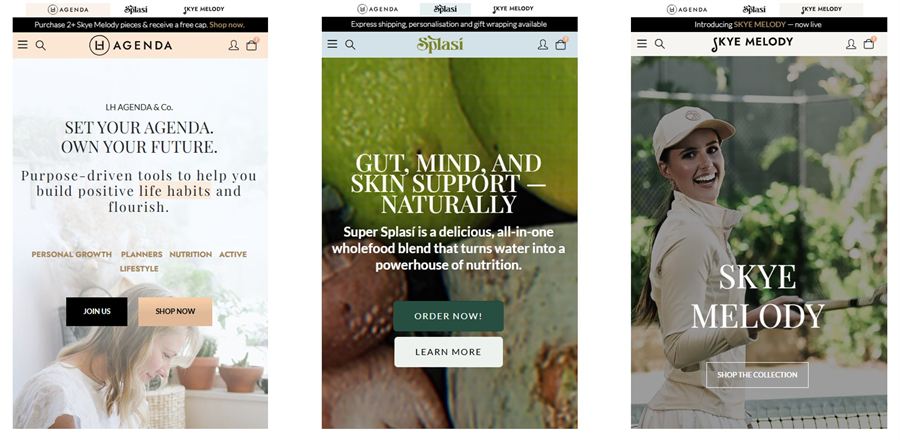
We went from LH Agenda to LH Agenda & Co. We welcomed Splasí into the family, a nutritional drink I spent two years developing with food and health scientists. Then, in 2026, we launched Skye Melody, our activewear brand. What used to be one brand making planners is now three brands, one platform, and a much bigger version of the question I’ve always been trying to answer: how do you help a woman live a life she’s actually proud of, from how she thinks, to how she feeds herself, to how she moves.

I want to use this milestone to tell you what those last five years actually taught me. Not the highlight reel, though there’s been plenty to be proud of,more on that later. The real lessons, the ones that came from awards submissions I’ve written, from mistakes I’ve made twice, and from one belief I held for years that turned out to be completely wrong.
Table of contents
- The grass that looked greener from where I was standing
- What I learned launching Splasí (and why “properly” beats “quickly”)
- What I learned about complexity, twice
- What I learned when the ground shifted under us mid-Christmas
- So, was the grass actually greener?
1. The grass that looked greener from where I was standing
For years, LH Agenda was a stationery business, full stop.
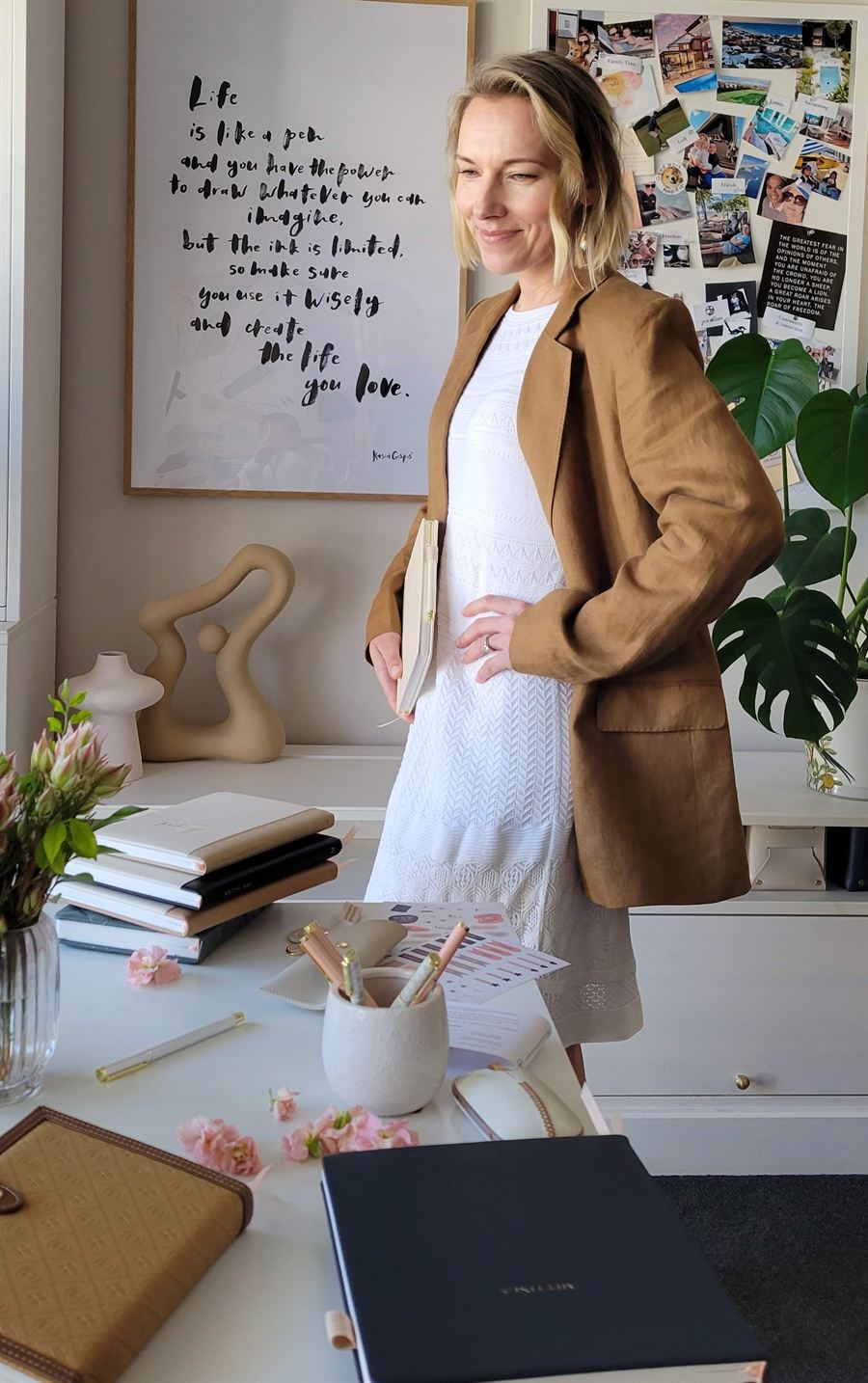
Beautiful planners, journals, notebooks. I loved it, and I still do. But I used to look at activewear brands and nutrition brands the way you look at a neighbour’s garden over the fence.
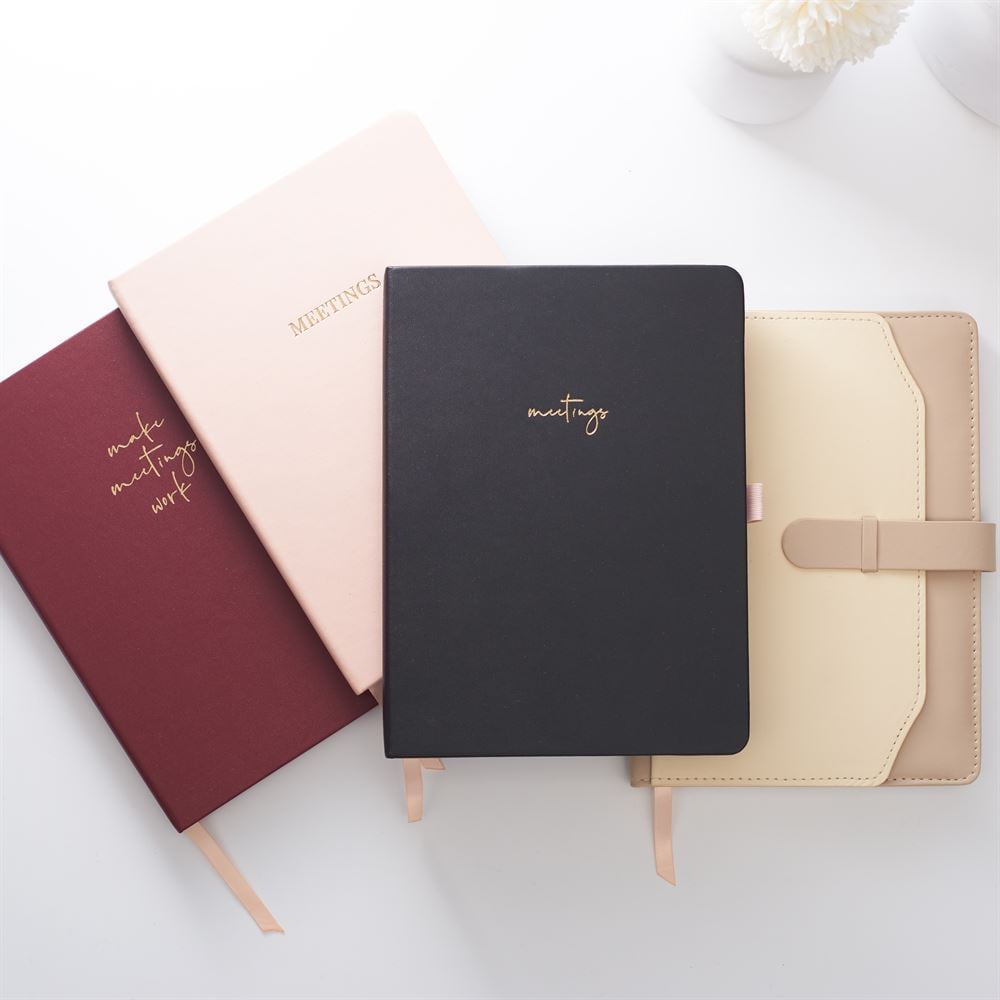
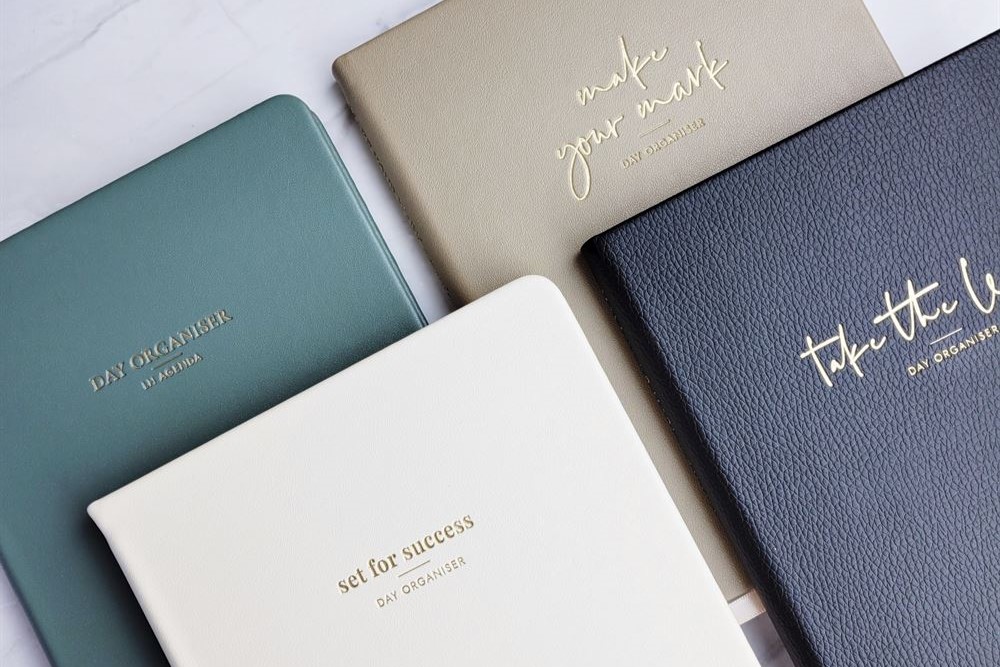
Get more out of every day, at work and at play, with our range of Day Organisers that will up your game. Its unique layout will clarify your priorities, stimulate productivity and give you a daily dose of motivation.
I remember scrolling through activewear stores thinking, that looks so much simpler than what I do. Our journals and planners take years of content development, positive psychology research and self-coaching methodology before a single page is even laid out. I used to imagine leggings and t-shirts skipped all of that, just fabric, a cut and a colour. I used to drink my own version of a green smoothie every morning and think, imagine building a brand around something people already consume daily, something they need to repurchase every month, instead of a planner they buy once a year. I genuinely believed both categories would be easier than mine.
Here’s the truth. I was wrong, and I didn’t just find that out by researching the industry or talking to other business owners. I found it out by launching both.
Splasí took two years of research with food and health scientists before it ever reached a customer, and almost none of that time was spent on the parts I’d naively imagined would be the whole job. The formulation itself was only the beginning.
Splasí sits in a strange, heavily regulated space between food and pharmaceutical, and I had to learn an entirely new language of what we were legally allowed to say and what we weren’t, down to individual words on packaging that could tip a product from “food” into a category with a completely different set of rules. Labelling requirements, permitted health claims, ingredient traceability, packaging that had to protect the formulation without adding unnecessary waste, all of it was new to me, and all of it had to be learned properly before a single pouch could go to market.
Skye Melody meant learning fabric technology, sizing, and fit from scratch, in a category where the margin for error on a woman’s body is a lot less forgiving than the margin for error on a planner’s paper weight. Running three brands, three supply chains and three customer education strategies with a team of three people has been, without question, the hardest operational stretch of my fourteen, now fifteen, years in business.
The lesson wasn’t “don’t chase what looks appealing.” The lesson was that every category has its own version of hard, and you only ever see the parts of someone else’s business that are visible from the outside. I don’t think I could have understood that any other way than by actually stepping into those categories myself. If you’re a founder eyeing someone else’s lane right now, I’d say: go and find out, don’t just assume.
2. What I learned launching Splasí (and why “properly” beats “quickly”)
Here’s something I’ve learned twice now, in two very different product categories, five years apart.
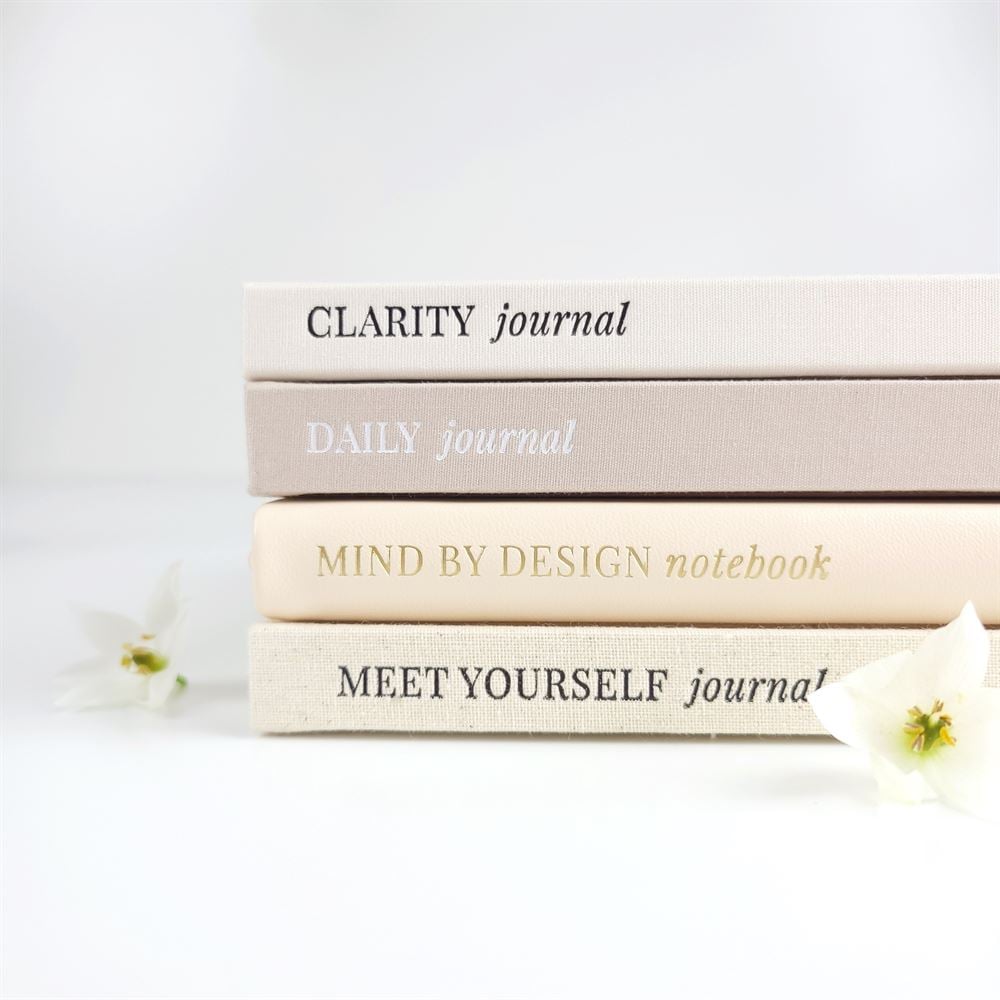
Back in 2022, when we launched our Mind By Design collection, it took more than three years of planning and collaboration with certified life coaches and mental health wellness experts before it reached shelves. At the time, I remember feeling the pressure to move faster. Wellness content was everywhere, and I worried we were being left behind while we were still in development.
We weren’t. When Mind By Design launched, it wasn’t just another journal with nice quotes on the cover. It was a genuinely researched toolkit, and it went on to become a body of work customers still write to us about years later.
When it came time to develop Splasí, I made the same choice on purpose.
What I actually pitched at the University of Newcastle pre-accelerator program wasn’t even a powder. It was a ready-to-drink beverage. Then we sat down and did the maths on what that meant environmentally: shipping water across the world, the fuel and emissions that come with it, the extra packaging weight, none of it sat right with me once I could see it clearly.
So we went back to the drawing board and looked at an effervescent tablet instead, something you’d drop into a glass rather than carry around already mixed.
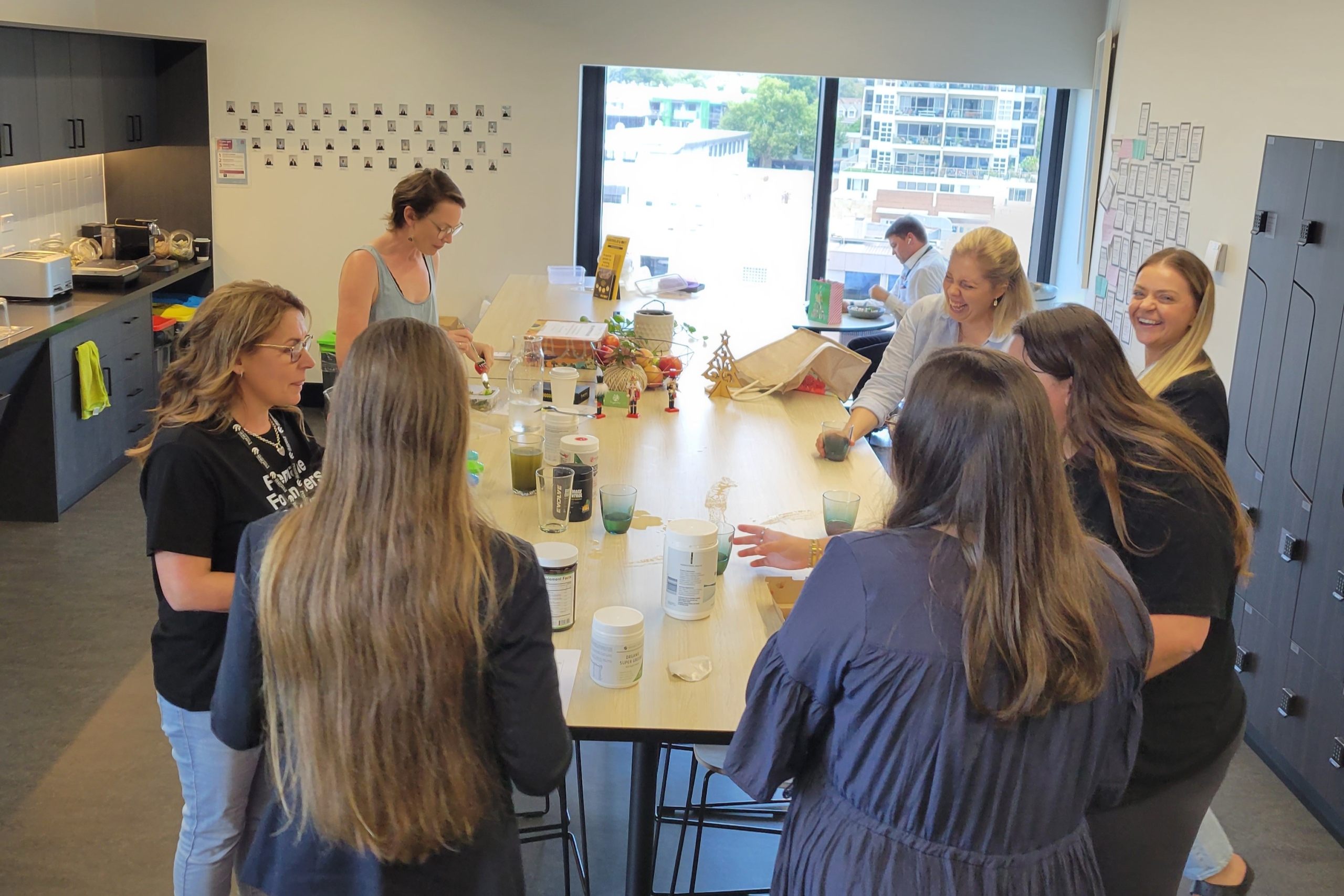
That didn’t work either. Effervescent tablets have to fit a fixed mould, only a few millimetres wide, and the active ingredients we wanted in Splasí were far too small to fill it on their own. Most effervescent tablets on the market are mostly filler for exactly that reason. Worse, I learned that the compression process used to mould a tablet kills probiotics in the process, and the probiotic was meant to be the hero of this product, given how much it does for gut health and the gut-brain connection. I wasn’t willing to build a product around an ingredient it would die before it reached you.
That’s how we landed on the concentrated powder formulation we launched with. Not because it was our first idea, or even our second, but because it was the only version that let every ingredient do what it was actually there to do.
It would have been faster, and cheaper, still, to private label an existing powder and put our name on it. Instead, we spent two years with food and health scientists getting the formulation right: plant-derived vitamins and minerals instead of synthetic ones, a freeze-drying process to get rid of the grassy taste and green colour most powders have, and a probiotic strain resilient enough to actually survive the trip to your gut. We went through the University of Newcastle’s pre-accelerator program along the way, because I wanted outside experts checking my thinking, not just my own conviction that I was right.
Two very different products, five years apart, and the same lesson both times: the version of “fast” that skips the research is never actually fast. It just moves the delay to later, usually to a return, a bad review, or a product that doesn’t hold up once real customers start using it daily. I’d rather be the founder who took two years and got it right than the one who launched in two months and spent the next two years fixing it.
3. What I learned about complexity, twice
This one stings a little more, because I learned it the hard way, not once, but twice.
The first time was years ago, back when LH Agenda was still our only brand. In an effort to give customers more choice, we introduced dated and undated planners, large and medium sizes, and several different weekly layouts, all at once. It felt generous. It backfired. Customers got confused standing in front of that many options, our conversion rates dropped, and our advertising spend stopped working as hard as it should have. The lesson I wrote down at the time was simple: quality over quantity, and clarity over choice.
I really thought I’d learned that lesson for good. Then we launched three brands at once.
Suddenly I wasn’t just managing planner variations, I was managing three entirely different customer journeys, three visual identities, three product education strategies, all with the same small team. The complexity I’d fought so hard to remove from one brand had quietly rebuilt itself across three. The only way through was to apply the exact same discipline, just at a bigger scale: one platform instead of three, one cart and one checkout so customers never feel the seams between brands, and segmented email through Omnisend so people only hear from the brands they actually want to hear from.
I don’t think I’ll ever be finished learning this lesson. I suspect it will show up again at whatever scale we’re at next. But I’ve stopped being surprised by it, and I think that’s progress in itself.
4. What I learned when the ground shifted under us mid-Christmas
Some lessons you get to plan for. This one arrived without any warning at all.
In the lead-up to Christmas, changes to US import tariffs disrupted our shipping to our biggest international market, right in the middle of our busiest trading period. For a team of three, that’s the kind of moment that could sink a season. We didn’t have the luxury of a dedicated logistics department to solve it for us.
What got us through was the same financial discipline I built years ago as a management accountant, the habit of staying close enough to the numbers and the systems that you can move fast when something breaks. We implemented new duties and compliance software within days, updated our HS codes, and rebuilt our fulfilment process on the fly, all while orders kept coming in. We came through it without any significant loss in revenue, which still feels a little unbelievable to me when I think about how small our team actually is.
The lesson here isn’t really about tariffs. It’s that resilience isn’t a personality trait you either have or don’t. It’s built, slowly, out of every smaller disruption you’ve already survived: a batch of faulty stock, a lost supplier, a pallet falling off a truck, Canadian postal strikes, a pandemic. By the time the tariff changes hit, we’d already had enough practice staying calm under pressure that we knew, even in the moment, we’d figure it out.
5. So, was the grass actually greener?
No. It wasn’t greener, it was just a different garden, with its own weeds I couldn’t see from over the fence.
What I didn’t expect is that it would be worth it anyway. Not because running three brands is easier than running one, it isn’t, but because LH Agenda, Splasí and Skye Melody now tell one connected story I couldn’t have told with stationery alone: how you think, how you nourish yourself, and how you move through your day. There’s been an unexpected perk to that too. Being a wellness brand, and not just a stationery one, has opened doors to partnerships with sport, retreat and wellness organisations I never would have had a reason to work with as a planner company alone, and those relationships have brought some lovely moments with them. That’s an even better, more mature and more rounded version of what I set out to build back in 2011, when I was just a woman with a domain name and a lot of questions about why capable women kept holding themselves back.
Before I wrap this up, I want to actually say this part out loud, because I don’t do it enough. This year alone, LH Agenda & Co has been named a finalist in the 2026 Business Hunter Awards, in the Micro Business category, a finalist at the Australian Small Business Champion Awards, a finalist at the Hunter Region Business Excellence Awards, and a finalist at the Australian Women’s Small Business Champion Awards. For a team our size, that still doesn’t quite feel real.
It sits alongside the recognition from earlier in this five-year stretch: a Gold Stevie Award for Best Consumer Product at the 2023 International Business Awards, a win at the 2023 Business Hunter Awards for Excellence in Micro Business, and a finalist placing at the 2023 Business NSW Awards.
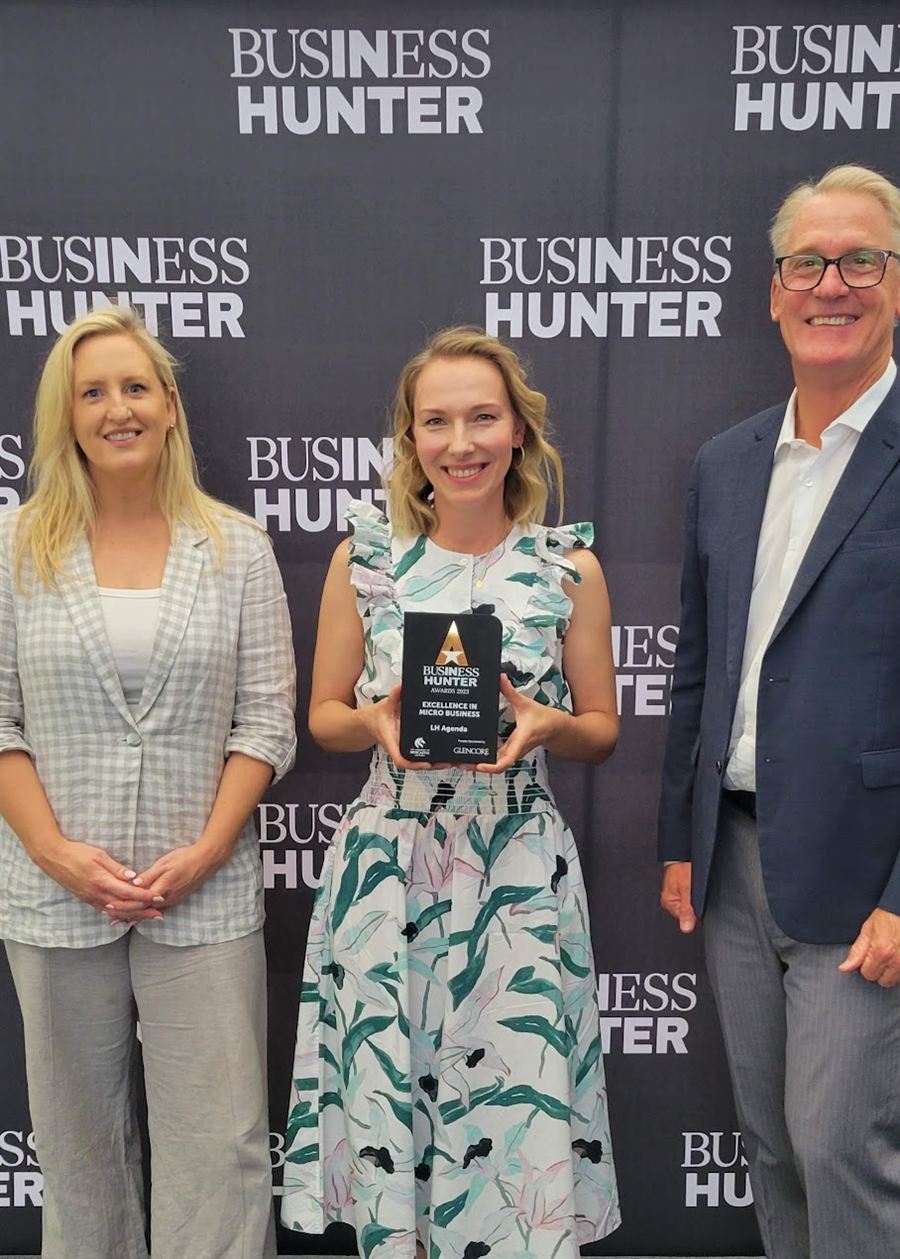
Fifteen years in, I’m still learning things I thought I already knew. I suspect that never stops, and honestly, I hope it doesn’t. If it did, I think it would mean I’d stopped paying attention.
Thank you for being part of this with us, whether you’ve been here since the Leaders in Heels days or you’re reading your very first LH Agenda article right now. If there’s a question about the last five years you’d like me to answer, tell me in the comments. I read every one.
Be inspired,
Kasia

Explore our collection of award-winning planners and journals that encourage leadership, goal-kicking, passion and motivation, with elegant designs that can be personalised.
 Kasia Gospoś is the founder of LH Agenda, a wellness lifestyle brand dedicated to empowering women to lead with clarity, intention, and purpose. What began as a personal journey to create more meaningful structure and balance has evolved into a global movement supporting modern women through thoughtfully designed planners, journals, and tools that nurture mental fitness, resilience, and self-leadership. At its heart, LH Agenda exists to help you move from overwhelm to alignment, and to design a life that reflects who you truly are and who you are becoming. Join our community for exclusive resources, insights, and tools to support your journey.