














If you are a mum, I suspect you will recognise this. My son Jacob had turned out to be a fussy eater, and I was constantly worrying about whether he was getting the nutrients he needed to grow. But somewhere between the kid-friendly restaurant meals and the chaos of everyday life, I had quietly stopped taking care of myself too. I was tired in a way that sleep did not fix. Exhausted by things that used to feel simple. I wanted to feel like my younger self again. That version of me who had energy, clarity, and a sense of ease in her own body. I was not eating badly exactly. I was just not eating well enough. Not consistently. Not in a way that actually covered all the bases.
I started researching what I was actually missing. Magnesium. Zinc. Vitamin D. B vitamins. Prebiotic fibre. The nutrients that play such a fundamental role in energy, mood, gut health, and skin. Most of us, even the health-conscious ones, are simply not getting enough of them through food alone. I wanted something that could fill those gaps for the whole family, without the grassy taste, the synthetic ingredients, the green colour, or the complicated supplement stacks. Something delicious. Something simple. Something even a picky seven-year-old would drink.
That search became Super Splasí. Two years of development, formulated by Australian food scientists, built on real fruits, probiotics, prebiotic plant fibres, and 18 naturally derived vitamins and minerals. No artificial colours, flavours, sweeteners, or preservatives. No synthetic additives. Just daily nourishment your body can actually use.
But this article is not really about Splasí. It is about what your body needs to feel genuinely well: the gut, mind, skin, and body connection that so many of us are still learning to understand. Because once you understand it, the daily ritual makes a lot more sense.
Table of contents
- Why most of us are running on empty
- The gut-mind-skin connection: why everything is linked
- What your gut actually needs to thrive
- Brain performance, mental clarity and the nutrients that support them
- Sleep: the wellness habit most people underestimate
- Skin, hair, nails and the inside story
- Muscles, immunity and the foundations of longevity
- Movement: the daily habit your body was built for
- Why daily consistency beats occasional effort every time
- Why naturally derived nutrients are not the same as synthetic ones
- The case for simplifying your wellness routine
- Your daily wellness ritual in practice
Why most of us are running on empty
We live in an era of unprecedented access to health information and an equally unprecedented rate of burnout, fatigue, and low-grade unwellness. People are trying. And still, something is not quite working.
Part of the problem is that the modern food supply, even at its most nutritious, delivers fewer micronutrients than it did fifty years ago. Soil depletion, processing methods, and the sheer pace of modern life (eating on the go, skipping meals, defaulting to convenience) mean that most adults are chronically low in at least some of the nutrients that keep the body running well. The World Health Organisation identifies micronutrient deficiency as one of the most significant global health challenges, affecting more than two billion people worldwide, including in wealthy, food-secure countries.
The nutrients most commonly lacking, including magnesium, zinc, vitamin D, folate, iron, and the B vitamins, are not exotic. They are foundational. They regulate energy metabolism, immune function, cognitive performance, skin integrity, and gut health. When they are consistently low, nothing works as well as it should. You feel tired without knowing why. Your focus slips. Your skin looks dull. Your digestion feels off. And you adapt to it, because it has become your normal.
“I want to feel better, but I don’t want to take five different supplements. I want to support my gut, my skin, my energy. But where do I even start?”
The answer is not more effort. It is smarter daily nourishment: understanding what your body actually needs, and finding a sustainable way to give it consistently.
The gut-mind-skin connection: why everything is linked
One of the most significant shifts in nutritional science over the past decade has been the recognition that the gut is not just a digestive organ. It is a communication hub, connected to the brain, the immune system, and the skin in ways that researchers are still mapping.
The gut-brain axis is a bidirectional communication system linking the enteric nervous system (the network of neurons lining the gastrointestinal tract) with the central nervous system. Research published in Physiological Reviews confirms that the gut microbiota plays a significant role in shaping emotional behaviour, stress responsiveness, and brain neurotransmitter systems, including the production of serotonin, of which approximately 90% is made in the gut, not the brain. What happens in your gut does not stay in your gut.
The gut-skin axis follows a similar pattern. An imbalanced gut microbiome is associated with increased systemic inflammation, which manifests visibly in the skin as acne, redness, dullness, and accelerated ageing. Research published in Microorganisms shows that probiotic and prebiotic supplementation can measurably improve skin conditions by reducing inflammatory markers and supporting gut microbiome balance, with effects visible across the skin barrier.
This is why approaches that target only one system, only the gut, only the skin, or only the mind, tend to produce limited results. The body is integrated. Real wellbeing requires nourishing all three.
“Super Splasí is your all-in-one daily nutritional support, designed to promote overall wellbeing. From immune and digestive health to mental performance, increased energy, and healthy skin and hair, each single serving will help you drink more water and get your essential nutrients at the same time.” — Super Splasí
What your gut actually needs to thrive
Gut health has become one of the most discussed topics in wellness, and for good reason. A healthy, diverse gut microbiome is associated with stronger immunity, better digestion, reduced inflammation, improved mood, and lower risk of a wide range of chronic conditions. But the conversation is often oversimplified into “take a probiotic.” The full picture is more nuanced, and more actionable. Supporting your gut is one of the highest-leverage investments you can make in your daily wellness routine.
Your gut needs three things consistently: probiotics (live beneficial bacteria), prebiotics (the plant-based fibres those bacteria feed on), and a diet diverse enough to support microbial variety. Research published in Nature Communications, drawing on data from nearly 9,000 individuals, identified significant associations between gut microbiome function and a broad range of metabolic health outcomes, including body composition, liver health, and glucose control. Microbiome diversity is built primarily through consistent intake of plant fibres and a varied diet.
Bacillus Coagulans, the probiotic strain in Super Splasí, is worth understanding. Most probiotic strains require refrigeration from the moment they are made: through the warehouse, onto the delivery truck, and all the way to your door. If the cold chain breaks at any point along that journey, the bacteria die before you ever open the packet. And even the ones that arrive intact often do not survive stomach acid on the way to the gut.
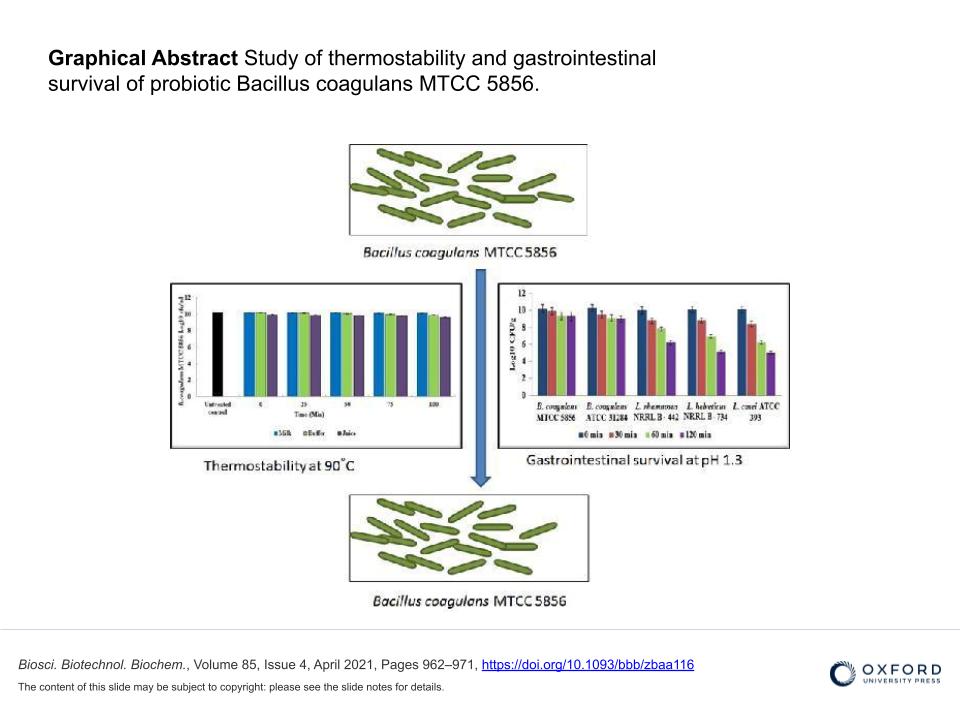
Bacillus Coagulans solves both problems. Its spore-forming structure (a hard biological shell around the living bacteria) means it stays stable at room temperature through the entire supply chain, and survives stomach acid to germinate and become active exactly where it needs to be: in the gut. Research published in Bioscience, Biotechnology, and Biochemistry tested Bacillus coagulans survival at pH 1.3, the acidity of stomach acid, and found it maintained significantly higher viable counts than comparable probiotic strains across 120 minutes of exposure. The bacteria you swallow are the bacteria that arrive.
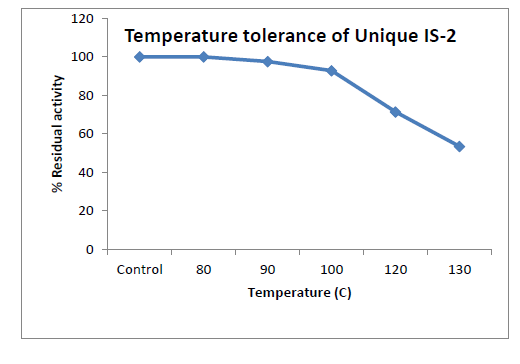
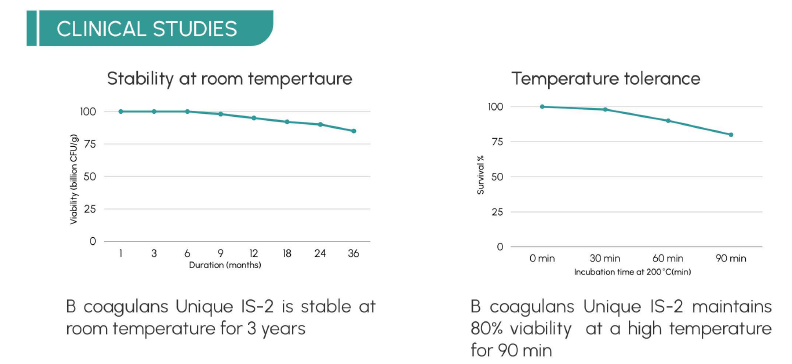
Clinical data from Unique Biotech, the manufacturer of the Bacillus Coagulans Unique IS-2 strain used in Super Splasí, confirms just how stable this strain is. Tested across temperatures from 80°C to 130°C, it retained 93% of its activity at 100°C and more than 50% even at 130°C for 30 minutes. It remains stable at room temperature for up to three years, with no refrigeration needed at any point in the supply chain. And at pH 2.0, the level of human stomach acid, it retained 60% survival after two hours of exposure, increasing further as pH rises toward the neutral environment of the gut.
Combined with prebiotic fibres from chicory root and acacia, two of the most well-researched sources for gut flora diversity, it creates the conditions your microbiome needs to genuinely thrive.
Foods that naturally support your gut microbiome
Probiotics (live beneficial bacteria):
- Yoghurt with live cultures
- Kefir
- Kimchi
- Sauerkraut
- Miso
- Tempeh
- Kombucha
Prebiotics (fibre that feeds the bacteria):
- Garlic
- Onion
- Leeks
- Asparagus
- Bananas (slightly unripe)
- Oats
- Chicory root
- Jerusalem artichoke
A varied, plant-rich diet is the single most effective daily investment in your gut health. The more diverse your food, the more diverse your microbiome.
Gut health is the foundation of almost everything else covered in this article. Energy, skin, immunity, mental clarity: each of these systems connects back to what is happening in your gut.
Brain performance, mental clarity and the nutrients that support them
The relationship between nutrition and cognitive function is one of the most rapidly evolving areas of health research. What you eat, and what you are consistently missing, has a measurable impact on focus, memory, mental stamina, and emotional resilience.
The B vitamins are central to this. Vitamin B1 supports the conversion of carbohydrates into energy the brain can use. B6 is essential for the production of neurotransmitters including serotonin and dopamine. B9 (folate) plays a critical role in neural development and the prevention of cognitive decline. B12 supports myelin, the protective sheath around nerve fibres, and its deficiency is one of the most common and most overlooked causes of brain fog and fatigue. Research published in Nutrients by David Kennedy links low B vitamin status with measurably impaired cognitive performance across all age groups.
Magnesium is another critical player. It is involved in over 300 enzymatic reactions in the body, including those governing energy production, nervous system regulation, and the management of the stress response. Deficiency, which affects a significant proportion of adults, is associated with increased anxiety, disrupted sleep, and reduced capacity to concentrate. Super Splasí uses marine magnesium, sourced from seawater rather than synthetic compounds, for better bioavailability.
Iodine, often overlooked, is essential for the production of thyroid hormones that regulate cognitive function, metabolism, and mood. Zinc supports neurotransmitter function and immune response. Together, these nutrients create the biochemical environment in which a clear, energised, focused mind can actually operate.
“My daily ritual for staying strong, focused and at my best. Gives me the energy and balance to take on just anything.” — Inés López García, Barre Instructor & mum
What to eat to support your brain and focus
- Oily fish (salmon, sardines, mackerel) — omega-3 fatty acids for brain cell structure
- Eggs — choline, B12, and B6 for neurotransmitter production
- Leafy greens (spinach, kale) — folate and Vitamin K for cognitive function
- Sunflower seeds and legumes — B vitamins and magnesium
- Dark chocolate (70%+) — magnesium and flavonoids for blood flow to the brain
- Wholegrains — steady glucose release for sustained focus
Sleep: the wellness habit most people underestimate
No supplement, diet, or exercise routine compensates for consistent poor sleep. Sleep is when the body repairs tissue, consolidates memory, regulates hormones, and clears metabolic waste from the brain through the glymphatic system. Skipping it does not just make you tired. It impairs cognitive function, disrupts gut microbiome balance, elevates cortisol, and accelerates cellular ageing.
Research published in Nature Reviews Neuroscience identified sleep as one of the most powerful regulators of brain health, with chronic sleep deprivation linked to measurably reduced memory consolidation, impaired emotional regulation, and increased risk of neurodegenerative disease.
You do not need a perfect night every night. What your body needs is a rhythm it can rely on. A regular sleep and wake time, even on weekends, does more for your health than almost any other single habit.
Simple habits to protect your sleep and recovery
- Aim for 7 to 9 hours of sleep per night consistently
- Keep a regular sleep and wake time, including weekends
- Create a digital sunset: switch off screens 30 to 60 minutes before bed
- Keep your bedroom cool, dark, and quiet
- Avoid caffeine after 2 PM
- Magnesium supports nervous system regulation and may support deeper sleep — found naturally in leafy greens, seeds, and nuts, and included in Super Splasí
- Limit alcohol — it disrupts sleep architecture even when it helps you fall asleep faster
Skin, hair, nails and the inside story
The beauty industry spends billions every year on topical solutions for skin, hair, and nail concerns. And while skincare absolutely has its place, the most significant determinants of how your skin looks and feels are not what you put on it. They are what you put in your body.
Vitamin C is essential for collagen synthesis, the structural protein that gives skin its firmness and elasticity. Without adequate Vitamin C, collagen production declines, and the skin loses its ability to repair and regenerate. Biotin supports the structural integrity of hair follicles and nail beds. Zinc regulates sebum production and has anti-inflammatory properties that directly affect skin clarity. Selenium is a powerful antioxidant that protects skin cells from oxidative damage, one of the primary drivers of premature ageing.
Research published in Nutrients reviewing probiotic supplementation and the gut-skin axis found that improving gut microbiome balance through probiotics can measurably reduce oxidative stress and inflammatory responses that affect skin conditions, with skin health improving as a downstream effect of gut health.
The skin is, in every sense, a reflection of what is happening inside. Dullness, dryness, breakouts, and slow wound healing are not just cosmetic concerns. They are signals from the body that something nutritional is missing. Addressing the inside is not an alternative to good skincare. It is the foundation that makes good skincare actually work.
What to eat to support your skin, hair and nails
- Vitamin C-rich foods (citrus, capsicum, strawberries) — essential for collagen synthesis
- Eggs and legumes — biotin and protein for hair follicle strength and nail integrity
- Pumpkin seeds and oysters — zinc for sebum regulation and skin clarity
- Brazil nuts (just 1 to 2 daily) — selenium to protect skin cells from oxidative damage
- Oily fish and walnuts — omega-3 fatty acids for skin hydration and reduced inflammation
- Sweet potato and leafy greens — Vitamin A for skin cell renewal and repair
One thing almost every skin, energy, and cognitive function conversation overlooks is water. Adequate daily hydration is essential for skin elasticity and barrier function, but it also directly affects mood, mental clarity, and focus. Even mild dehydration, as little as 1 to 2% of body weight, has been shown to impair cognitive performance and increase feelings of fatigue and anxiety.
The challenge is that many people simply do not drink enough. Children rarely self-regulate well, and elderly people often lose the sensation of thirst with age. Plenty of adults find plain water unappealing enough to avoid it altogether, reaching for sugary drinks instead, which create a different set of problems. This is one of the reasons Super Splasí was designed to be mixed with water. It gives plain water a light, naturally sweet flavour that makes drinking genuinely enjoyable, without added sugar, artificial sweeteners, or preservatives. For families with fussy young drinkers, and for older adults who struggle with plain water, a glass of something that actually tastes good makes consistent hydration far more achievable.
Muscles, immunity and the foundations of longevity
Two areas that tend to receive less attention in everyday wellness conversations are muscle function and immune resilience, and both are far more relevant to how you feel day-to-day than most people realise.
Muscle function is not just about athletic performance. It is about the energy available for everyday life: lifting, carrying, walking, getting through the afternoon without a slump. Magnesium and electrolytes play a direct role in normal muscle contraction and recovery. Vitamin D supports calcium absorption, which in turn supports bone density and the structural integrity that underpins all movement. Protein synthesis, the process by which the body builds and repairs muscle tissue, depends on a range of micronutrients including zinc, iron, and the B vitamins.
Immunity, meanwhile, is not something that activates only when you are unwell. It is a continuous, metabolically expensive process that requires consistent nutritional support. Research published in Nutrients identifies vitamins C, D, zinc, selenium, and iron as the micronutrients most critical for immune function, and notes that even subclinical deficiency in these nutrients can reduce the immune response.
Longevity researchers increasingly frame health not as the absence of illness but as the presence of resilience: the capacity to function well, recover quickly, and maintain vitality across decades. That resilience is built in the daily choices, not the crisis responses. It is the cumulative effect of consistent nourishment, movement, rest, and connection, practised not perfectly, but persistently.
What to eat to support muscles, immunity and longevity
- Oily fish and eggs — Vitamin D and protein for muscle repair and immune defence
- Citrus, capsicum and kiwi — Vitamin C for immune cell production and collagen
- Pumpkin seeds and red meat — zinc and iron for immune function and oxygen transport
- Brazil nuts — selenium for antioxidant protection and immune regulation
- Leafy greens and legumes — magnesium, iron, and folate for energy and muscle function
- Fermented foods — probiotics to support the gut-immune connection
Movement: the daily habit your body was built for
You do not need a gym membership or a structured training programme to benefit from regular movement. The body was designed to move consistently throughout the day, and the evidence is clear that even moderate, daily physical activity produces significant and measurable improvements across every system covered in this article.
Regular movement supports gut motility and microbiome diversity, improves mood and reduces anxiety through the release of endorphins and brain-derived neurotrophic factor, strengthens the cardiovascular system, maintains muscle mass and bone density, improves sleep quality, and reduces systemic inflammation, one of the primary drivers of accelerated ageing and chronic disease.
The goal is not intensity. It is frequency and consistency. A 30-minute walk most days does more for long-term health than an occasional hard session. Movement does not need to be complicated to count.
Simple ways to move more every day
- Aim for at least 30 minutes of moderate movement daily — walking, swimming, cycling, dancing
- Take the stairs, walk during phone calls, stretch between tasks
- Strength training twice a week supports muscle mass, bone density, and metabolic health
- Yoga or Pilates supports flexibility, breathing, and stress regulation
- Morning movement, even 10 minutes, sets a positive tone for the day
- If motivation is low, lower the bar: five minutes always beats zero
Why daily consistency beats occasional effort every time
One of the most important things to understand about nutrition and wellness is that the body responds to patterns, not episodes. A green smoothie once a week does not compensate for five days of nutritional gaps. A good night of sleep does not undo chronic sleep debt. The body is always adapting to what it receives consistently, and it performs accordingly.
Research into habit formation published in the European Journal of Social Psychology found that consistent daily behaviours, repeated in the same context at the same time, are what drive the formation of automatic habits, a process that takes on average 66 days depending on the individual and the behaviour, but one that missed days do not derail. The goal is not to be perfect. The goal is to be consistent enough that the behaviour no longer requires effort.
This is the philosophy behind a daily wellness ritual. Not a comprehensive overhaul. Not a protocol that requires thirty minutes and seventeen products. A simple, repeatable practice that delivers what the body needs, every day, without requiring willpower to maintain. Start small. Choose one practice. Then another. Because the way you spend your days ultimately shapes the way you feel in your life.
“Wellness doesn’t have to be another thing on your to-do list. A simple daily ritual, done consistently, does more for your long-term health than any occasional effort.”
Why naturally derived nutrients are not the same as synthetic ones
Walk into any pharmacy and you will find shelves of supplements promising the same vitamins and minerals your body needs. Most of them are synthetic, manufactured through chemical processes that isolate or replicate individual nutrients. They are not inherently harmful, but there is growing research suggesting that where a nutrient comes from matters.
The key concept is bioavailability: how much of what you consume actually reaches the tissues that need it. Naturally derived nutrients tend to arrive with cofactors, companion compounds like bioflavonoids and enzymes that support absorption and allow the nutrient to be used more efficiently. A synthetic supplement may contain a high dose on paper, but if the body cannot absorb or retain it well, the functional benefit is lower than the label suggests.
The differences are not equal across all nutrients. Vitamin E is one of the clearest cases: the natural form is retained by the body more readily, while the synthetic form used in most commercial supplements is partially excreted. Folate is another: synthetic folic acid requires a conversion step that a significant proportion of people cannot make efficiently due to a common genetic variation. A randomised trial published in Oxidative Medicine and Cellular Longevity comparing natural and synthetic B vitamin complexes found the natural form showed a clearer influence on antioxidant and metabolic markers beyond the isolated vitamin molecule alone.
For long-term daily nourishment, the source of what you consume is worth considering alongside the dose.
Super Splasí is formulated with 18 naturally derived vitamins and minerals, drawn from real food sources including broccoli, spinach, kale, sweet potato, pumpkin, and sunflower seeds, not synthesised in a laboratory. No synthetic additives, no artificial colours, flavours, or preservatives. Just nutrients the way the body recognises them. Try Super Splasí and subscribe to save 20% on every delivery.
The case for simplifying your wellness routine
Throughout this guide we have shared what to eat to support your gut, your brain, your skin, your muscles, and your immunity. The honest truth is that eating well enough, consistently enough, to cover all of those bases is hard. Not everyone enjoys cooking. Not everyone has time for it. And let us be real: not everyone wants to eat kale every day.
There is a particular kind of exhaustion that comes from trying to optimise your health. The meal planning. The supplements that need to be taken at different times. The powders that taste medicinal. The protocols that require research just to understand. Wellness can become a source of stress, and chronic stress is one of the most significant drivers of the very symptoms we are trying to address.
Keeping it simple is a strategy, not a shortcut. When a habit is easy, it happens. When it is complicated, it gets skipped and the gaps accumulate.
Super Splasí was designed from the ground up around this principle. One teaspoon, stirred into 200 to 800 ml of water (still, sparkling, or even hot). Drink it with breakfast, at your desk, before a workout, or at lunch. It delivers 500 million probiotics, prebiotic plant fibres, 15 superfoods, and 18 naturally derived vitamins and minerals in a single serving. No synthetic additives. No chalky aftertaste. And despite being packed with broccoli, kale, spinach, mushrooms, and seeds, no green colour either, because Super Splasí is made using a proprietary freeze-drying process that preserves the nutrients from real fruits, vegetables, seeds, and mushrooms without the grassy taste or colour you would expect. Island Dream (pineapple, coconut, lime, hint of vanilla) is light, fruity, and something you will actually look forward to. Family friendly from age four upward.
It is daily wellness in a glass.
“Refreshing, nourishing and genuinely enjoyable to drink. An easy addition to our studio offering.” — Meghan Cooney, The Bar Method founder
Ready to build your daily wellness ritual? Explore Super Splasí, one teaspoon a day to support your gut, mind, and skin with 15 superfoods, 18 naturally derived vitamins and minerals, probiotics, and prebiotic plant fibres. Subscribe and save 20% on every delivery, so your daily ritual is always in stock and always simple.
Your daily wellness ritual in practice
Here is what a simple, sustainable daily wellness routine looks like when it is working.
- Start the morning with intention before anything else. Before the inbox, before the scroll, before the noise: take two minutes to set your priorities for the day. Write down your three most important intentions. Decide what matters before the day decides for you.
- Nourish your body with intention. Mix one teaspoon of Super Splasí into your water bottle and find the moment in your day that feels right: morning, after a meal, at your desk, or as an afternoon ritual. The goal is less about timing and more about making it something you genuinely look forward to. A consistent daily moment that is yours. If you have children, make it a shared ritual. It is formulated for the whole family.
- Move your body daily, even briefly. You have already read why it matters: for your gut, your mood, your skin, your sleep, and your longevity. The reminder here is simply this: the best movement is the one you will actually do. Walk. Stretch. Dance. Five minutes counts.
- Step outside and breathe. Even ten minutes of fresh air and natural light supports your nervous system, your circadian rhythm, and your mood. As you walk, slow your breathing. Notice five things you can see. Four things you can hear. Three things you can feel.
- Close the day with reflection. A brief review of what went well, what drained you, and what you are grateful for is one of the simplest and most underrated practices for building emotional resilience over time. The Good Morning Good Night Journal is designed for exactly this: five minutes at either end of the day, morning intention and evening reflection, a practice that builds quietly and meaningfully over time.
Repeat tomorrow. And the day after that. The body rewards consistency above all else. Feeling well is not a destination. It is the accumulated result of small, intentional choices, practised daily, over time. Set your agenda. Nourish yourself first.
Download your “Weekly Wellbeing Tracker,” part of our free “The Better Week” ebook, and make these five practices easy to track and stick with.
One more gift before you go
If this guide has you thinking about how to make your daily wellness routine more enjoyable, we put together a free recipe guide to help you do exactly that. Eight ways to drink Splasí: cold, warm, sparkling, blended, from a classic cold water serve to a Piña Colada Style blend and a Splasí Matcha Glow. Each one takes under two minutes and makes your daily teaspoon something to genuinely look forward to.
Download the free Splasí Recipe Guide
Eight recipes. One daily habit. Every way you like it.

Kasia Gospoś is the founder of LH Agenda, a wellness lifestyle brand dedicated to empowering women to lead with clarity, intention, and purpose. What began as a personal journey to create more meaningful structure and balance has evolved into a global movement supporting modern women through thoughtfully designed planners, journals, and tools that nurture mental fitness, resilience, and self-leadership. At its heart, LH Agenda exists to help you move from overwhelm to alignment, and to design a life that reflects who you truly are and who you are becoming.
Join our community for exclusive resources, insights, and tools to support your journey.